Cornea and Anterior Segment
The Cornea and Anterior Segment unit at Sushila Hospital specializes in the diagnosis and treatment of the entire range of corneal disorders and infections. Our experienced ophthalmologists handle everything from routine corneal examinations to complex surgical procedures including corneal transplants.
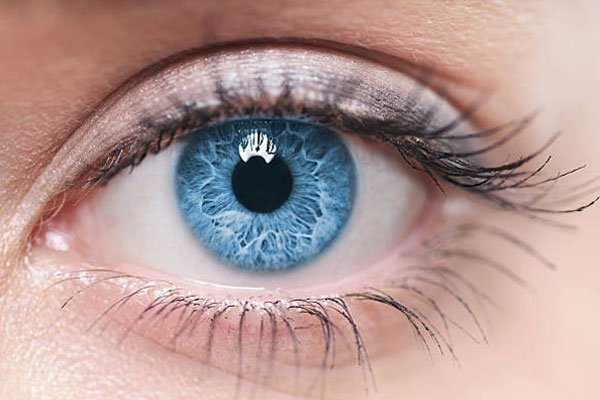
The cornea is the clear, dome-shaped outer surface of the eye. It plays a crucial role in focusing vision by refracting light that enters the eye. Any disease, injury, or infection affecting the cornea can significantly impair vision — making expert care essential.
At Sushila Hospital, our cornea specialists use the most advanced diagnostic equipment and evidence-based surgical techniques to ensure the best possible outcomes for every patient — including those requiring corneal collagen cross-linking (CXL), LASIK, and corneal transplantation.
Keratoconus
Progressive thinning and cone-shaped bulging of the cornea causing distorted vision — treated with CXL, special contact lenses, or corneal transplant.
Corneal Infections
Bacterial, viral, fungal, and Acanthamoeba keratitis — diagnosed with corneal scraping and treated with targeted antimicrobial therapy.
Dry Eye Disease
Chronic dry eye causing burning, redness, and blurred vision — managed with lubricants, punctal plugs, and advanced therapies.
Corneal Ulcers
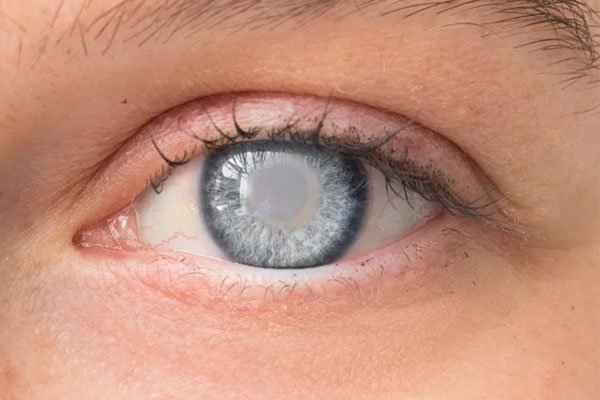
Open sores on the corneal surface caused by infections or injuries — requiring urgent diagnosis and aggressive treatment to prevent permanent vision loss.
Corneal Dystrophies
Inherited disorders that cause progressive, abnormal material accumulation in the cornea — including Fuchs’ dystrophy and lattice dystrophy.
Corneal Trauma
Injuries from foreign bodies, chemical burns, or physical impact — managed urgently to prevent permanent scarring and vision loss.
Ocular Surface Disease
Stem cell deficiency, cicatricial conditions, and severe surface damage — managed with advanced ocular surface reconstruction procedures.
Post-Surgical Complications
Management of corneal complications arising after cataract surgery, LASIK, or other intraocular procedures — including corneal edema and wound leaks.
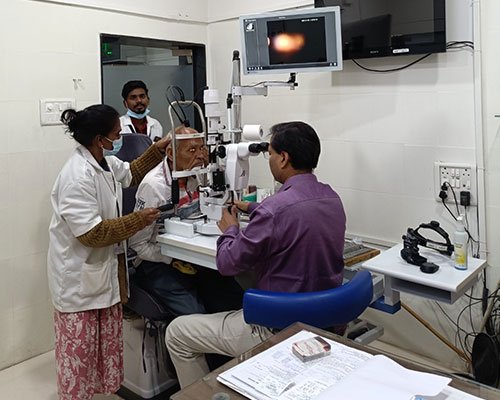
Apart from cataract surgery and corneal transplants, clinicians at Sushila Hospital handle a wide range of other ocular complications, including infections of the eye surface and eyelids as well as trauma care. The specialists also collaborate closely with researchers and medical professionals to develop innovative and cost-effective treatment methods. Among the various medical initiatives at Sushila Hospital is advanced research focused on improving treatments for patients suffering from ocular surface damage, helping restore vision and eye health through modern medical approaches.
Ophthalmologists at Sushila Hospital have extensive expertise and experience in laser-assisted surgical procedures. The hospital has been offering laser-assisted refractive surgeries for many years with highly successful outcomes. Recently, Wavefront Assisted Customized Vision Correction Technology has been introduced as part of the hospital’s advanced corneal services. This latest technology from Bausch & Lomb allows patients at Sushila Hospital to benefit from modern advancements in refractive eye surgery, ensuring greater precision, safety, and improved visual results.
What is a Corneal Transplant?
A transplant is the replacement of damaged or diseased tissues or organs with healthy tissues or organs. In a corneal transplant, the cloudy or damaged cornea is replaced with a healthy cornea. If the new cornea heals properly, patients may experience a significant improvement in their vision and overall eye health.
The healthy corneal tissue used for transplantation is supplied by an Eye Bank. Eye Banks operate round the clock to collect, evaluate, and carefully preserve donated corneas. These corneas are collected from human donors within a few hours after death. Strict medical tests and screening procedures are carried out to ensure the safety of the recipient. The Eye Bank reviews the donor’s medical history, determines the cause of death, and performs blood tests to confirm that the donor did not suffer from any contagious diseases such as AIDS or hepatitis.
At Sushila Hospital, corneal transplant procedures are performed using advanced surgical techniques and strict medical protocols to ensure patient safety and better visual outcomes. Since the cornea was one of the first parts of the human body to be successfully transplanted, corneal transplantation remains one of the most common and highly successful transplant procedures in modern medicine.
How Does The Eye Work?
Anything you see is an image that enters your eye in the form of light. The different parts of your eye collect this light and send a message to your brain, enabling you to see. For perfect vision all the parts of your eye need to work properly.
- The cornea is the clear, outer layer of the eye.
- The pupil is an opening that lets light enter the eye.
- The iris, the colored part of the eye, makes the pupil larger or smaller.
- The lens bends to focus light onto the retina.
- The retina receives light that has been focused by the cornea and lens.
- A clear (vitreous) gel fills the inside of the eye, giving it shape.