Cataracts
This guide will help you learn more about:
- how cataracts develop
- how cataracts are treated with surgery
- what kind of costs to expect, and
- how long it will take you to recover from surgery
The information will help you be more educated and involved in your eye doctor’s treatment through diagnosis, surgery and recovery.
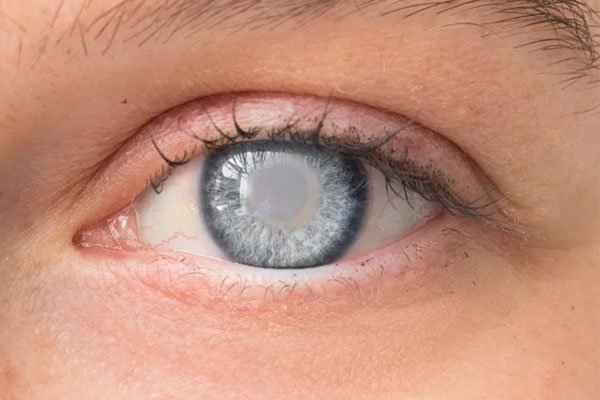
What is a Cataract?
Like a camera, the human eye works by allowing light to enter and form an image. Inside the eye is a natural clear lens, similar to a camera lens, which focuses light rays that pass through the pupil onto the retina at the back of the eye. The retina then collects this light and sends signals to the brain, allowing us to see clearly.
For normal and clear vision, this natural lens must remain transparent so that light can pass through it properly. Light first enters through the cornea, then passes through the eye’s natural lens, and finally focuses on the retina, producing a clear visual image.
When the natural lens becomes cloudy or opaque, light cannot pass through it properly. This condition is known as a cataract. Cataracts scatter the light rays entering the eye, which leads to blurred or unclear vision. A cataract is not a growth or a layer over the eye; it is simply the clouding of the natural lens inside the eye.
People with cataracts may notice that their vision becomes fuzzy, colors appear dull or faded, and it may become difficult to read signs or see clearly while driving at night. Cataract symptoms usually develop gradually and cannot be corrected with glasses or contact lenses. When these symptoms begin to interfere with daily activities, it may be time to seek professional treatment at Sushila Hospital, where experienced specialists provide advanced diagnosis and effective cataract treatment for better vision and improved eye health.
What causes cataract?
The most common cause of cataract is degenerative changes due to the ageing process. With age, proteins in the natural lens
degenerate, resulting in a clouded lens called a cataract.
There might be other causes such as:
- Health conditions like diabetes, kidney disease, glaucoma, smoking, eye injuries, infection, and inflammation inside the eye
- Prolonged use of certain medications can also lead to cataract formation
- Cataract may also occur in children due to genetic or metabolic defect or due to infection and trauma
What are the symptoms of cataract?
If you have cataract, you may experience some or all of the following symptoms.
- Cloudy vision
- Colors of objects may appear faded
- Poor eyesight at night
- Difficulty in driving at night, especially because of the glare of lights
- Difficulty in reading in dim light
- Colored haloes
- You may see multiple images or double images
How can the cataract be removed?
In cataract surgery, the eye’s natural cloudy lens is removed and replaced with an artificial Intraocular Lens (IOL). This artificial lens helps incoming light rays focus properly on the retina, allowing you to see more clearly again. After surgery, vision is usually restored close to normal, although some patients may still require glasses for activities such as reading or driving.
At Sushila Hospital, patients are offered different types of advanced lens options depending on their vision needs. Monofocal lenses are designed to correct distance vision, while Multifocal lenses help correct distance, intermediate, and near vision, reducing dependence on glasses.
In some cases, light may not focus correctly on the retina even after implanting monofocal or multifocal lenses. This occurs when the shape of the eye is not perfectly round, leading to distorted vision — a condition known as astigmatism. For such cases, specialized toric monofocal lenses or toric multifocal lenses can be used. These customized lenses are designed to correct astigmatism and provide clearer, sharper vision after cataract surgery.
What surgical techniques are available at LVPEI to remove the cataract?
Sushila Hospital offers various advanced and modern surgical techniques to treat cataracts. Depending on the type of cataract, the patient’s overall health condition, and lifestyle requirements, the ophthalmologist will recommend the most suitable treatment option. The commonly used cataract surgical techniques include:
Small Incision Cataract Surgery (SICS)
This technique involves removing the cataract manually through a slightly larger incision in the eye. SICS is generally recommended when the cataract is very dense or hard, making other techniques such as phacoemulsification more difficult to perform. It is a reliable and effective method for restoring vision.
Phacoemulsification
In this modern procedure, a very small instrument is inserted through a tiny incision (approximately 2.2 to 2.8 mm wide).
Ultrasound vibrations are used to break the cataract into tiny fragments, which are then gently suctioned out. In most cases, stitches are not required, allowing the incision to heal naturally. This minimally invasive surgery enables faster recovery and quicker return to normal activities.
Femto Second Laser Cataract Surgery
Femto-second laser technology is one of the latest advancements in cataract surgery, offering greater precision and safety during critical surgical steps. The laser assists in:
Creating precise surgical incisions
Making a perfectly circular opening on the lens surface (capsulotomy)
Fragmenting the natural cataractous lens for easier removal
An additional advantage of this technology is its ability to accurately plan incisions in the peripheral cornea, which can help correct pre-existing corneal astigmatism (cylindrical power).
At Sushila Hospital, these advanced techniques are performed by experienced specialists using modern equipment to ensure safe procedures, improved vision, and faster recovery for patients.
What are the various lens options available at LVPEI?
Intraocular Lens (IOL) Options for Cataract Surgery
During cataract surgery at Sushila Hospital, the cloudy natural lens is replaced with an Intraocular Lens (IOL). Different types of lenses are available depending on the patient’s vision needs and lifestyle. Your ophthalmologist will help you choose the most suitable option.
Monofocal Lens
A Monofocal IOL is the most commonly used basic lens implanted after cataract surgery. It is designed to provide clear distance vision. However, patients usually need to wear reading glasses for near work such as reading or using a mobile phone. Monofocal lenses are available in different materials depending on the patient’s needs.
Toric Monofocal Lens
A Toric Monofocal IOL is specially designed to correct corneal astigmatism. It improves distance vision and cylindrical power, but patients may still need glasses for near and intermediate tasks like reading or computer work.
Aspheric Lens
Most traditional lenses have a spherical surface that can sometimes cause visual aberrations. Aspheric lenses are designed to reduce these aberrations and provide better quality vision and improved contrast sensitivity. They also help in better night vision and improved visibility in low-light conditions.
Multifocal Lens
A Multifocal IOL is designed to provide clearer vision at near, intermediate, and distance ranges, reducing dependence on glasses. However, patients may still occasionally need glasses for very fine or detailed tasks.
Multifocal Toric Lens
A Multifocal Toric IOL corrects both cataract and astigmatism while providing clear vision at near, intermediate, and far distances. This type of lens significantly reduces dependence on glasses, although glasses may still be required for certain fine visual tasks.
At Sushila Hospital, advanced lens options are available to ensure patients receive the most suitable solution for improved vision, comfort, and long-term eye health.
Frequently Asked Questions
1. What is a cataract?
A cataract is the clouding of the natural lens inside the eye, which causes blurred or hazy vision. It usually develops slowly and can affect daily activities like reading, driving, or recognizing faces.
2. What is cataract surgery?
Cataract surgery is a procedure in which the cloudy natural lens of the eye is removed and replaced with an artificial Intraocular Lens (IOL) to restore clear vision.
3. Is cataract surgery safe?
4. How long does cataract surgery take?
The surgery usually takes 15 to 30 minutes, and most patients can go home the same day.
5. What is an Intraocular Lens (IOL)?
An Intraocular Lens (IOL) is an artificial lens implanted in the eye during cataract surgery to replace the cloudy natural lens and help restore clear vision.
6. What are the types of lenses available after cataract surgery?
Different types of lenses available include:
Monofocal Lens – for clear distance vision
Toric Lens – corrects astigmatism
Aspheric Lens – improves contrast and night vision
Multifocal Lens – helps with near, intermediate, and distance vision
Multifocal Toric Lens – corrects both astigmatism and multiple vision distances
7. Will I need glasses after cataract surgery?
It depends on the type of lens implanted. Some patients may still need glasses for reading or fine tasks, although premium lenses can significantly reduce dependence on glasses.
8. What is the recovery time after cataract surgery?
Most patients notice improved vision within a few days, and complete recovery usually takes 2–4 weeks.